Atlas for authentication of Curcuma longa Linn.
DOI:
https://doi.org/10.5530/jams.2016.1.8Keywords:
Haridra, Macro-microscopy Atlas, PharmacognosyAbstract
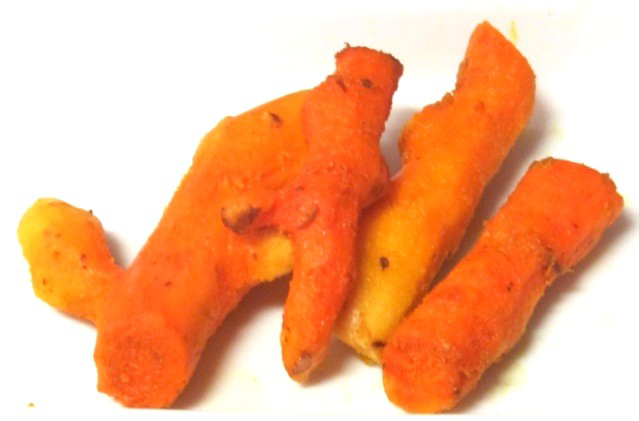
Introduction: Curcuma longa Linn. (Turmeric/Haridra) is a spice native to India. Historically, turmeric has been used throughout India, China and Indonesia as a spice and medicinal agent. It is one such medicinal plant explained extensively in Indian material medica. It is also used worldwide because of its high medicinal as well as market values, the pharmacognostical characters of its rhizome were studied. The current study is aimed to evaluate characters for authentication of C. longa rhizome. Methods: Rhizomes were collected from Hassan, Karnataka; it’s macroscopic, microscopic and HPTLC were studied following standard procedures. Results: Microscopically, transverse section of rhizome shows epidermis with thick-walled, cubical cells, cortex, few layers of cork, brick-shaped parenchyma, oleo-resin cells, globules of volatile oil, starch grains of 4-15 μ in diameter were seen. By HPTLC characteristics fingerprint have been derived. Conclusion: The atlas will be useful in the identification and standardization of the Curcuma longa Linn. rhizome.